Autumn is here in full swing. Despite Tucson’s disheartening lack of physical fall characteristics – no browning leaves on saguaros, and though our valiant late summer rains inhibited the heat for a while, highs remain in the 80s and 90s – the season is making its mark on our day-to-day lives. Stores have put out their Halloween and Thanksgiving displays, no doubt with the Christmas decorations begging to be taken out of the boxes in the back, rapping on the storage room doors. U of A students are surely aware of the looming midterms and circulating fall flus, as well as Halloweekend anticipation and costume planning.
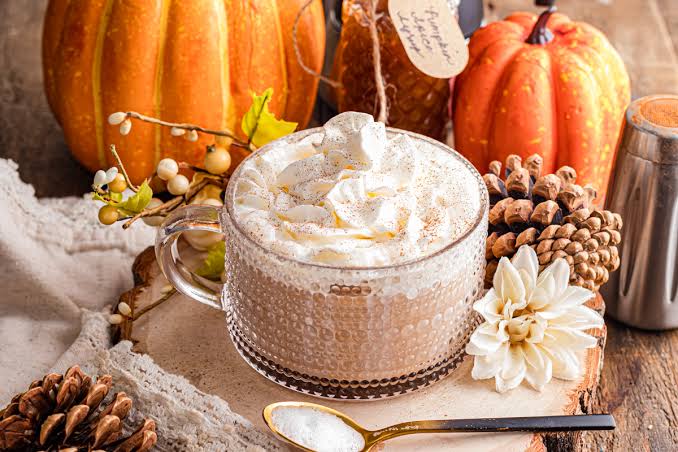
The most impactful effects of fall on our days, though, are in our chosen traditions and altered habits. I’ve been trading out my nightly glass of ice water for hot tea. The pre-made soups at the grocery store have been more picked through than the ready-to-eat sandwiches beside them. More rock has crept into my playlists as some of the summer’s electropop fades away. A receptionist desk’s normal candy bowl has been swapped out for a little plastic orange one with a jack-o-lantern face. As our hemisphere cools, we latch onto little ways to make ourselves warmer. One of the most notable of these habits, and most widely recognized as iconic of fall, is the switching out of one’s normal morning coffee for a pumpkin spice latte.
The pumpkin spice latte, at face value, is nothing more than a normal coffee latte with added cinnamon, clove, nutmeg, allspice, and ginger. However, beneath the spiced surface, the PSL carries pop culture, history, and tradition. Its wildfire popularity upon its release at Starbucks triggered a cascade frequently seen in the trend cycle: the rapid rise to fame, the association with the mainstream, and the eventual rejection of the “basic”. Along the way, the PSL coalesced with the stereotype of the Taylor Swift-loving blonde girl with a short skirt and shorter brain waves. Looking further back before modern associations with the PSL, the spices used in pumpkin spice have been major cultural markers, and were at times worth more than gold. The insatiable desire for spices in Europe triggered global trade events, monopolies, myth-making, war, colonization, and cultural exchange. Pumpkin spice-spices have also historically held spiritual value, with cinnamon and clove being used in witchcraft and heralded by some religious figures as a cure to mental ailments.
This article is the first installment in a series exploring the hidden depths of the pumpkin spice latte as we traverse through this year’s fall season together. Look forward to deep-dives into the history of the spice trade, feminist analysis of the ‘pumpkin spice latte girl’, the modern and historical reaches of capitalism, and the myth of the cinnamon bird. Every small ritual and tradition in our lives carries meaning, on both personal and societal levels. No action or preference exists in a vacuum, from our music tastes to our coffee orders.