Nobody expected this. On October 30, Puerto Rican megastar Daddy Yankee surprise-dropped his latest album, La Postal, a concept album about love, both for the fairer sex and for his native island. But the question has to be raised – is it good?
Some background does have to be given for this album. In 2022, Daddy Yankee released his “last album before retirement”, LEGENDADDY, which got middling to positive reviews from critics and sparked his “retirement” tour. As is standard practice at this point for “retirement” tours/albums however, he was back less than three years later when he remembered how much he liked money god, releasing Lamento en Baile, a reggaeton gospel album. C’mon, man, I know Héctor el Father turned born-again evangelical too, but he didn’t make a shitty cash grab gospel album out of it! Needless to say, the reviews were not great. Also during this time, he divorced his wife of nearly 30 years, claiming she had stolen $100 million (!!!) from his business accounts. More than anything, the latter event is what I’m guessing influenced this record the most.
The album opens with a pretty decent song in BOTZ (standing for Bésame OTra veZ), which, while having pretty standard love song lyrics (“bésame otra vez, quiero saber si tú sientes lo mismo que yo siento”), has a pretty killer instrumental (produced by his son, Jeremy Ayala, with contributions from L.E.X.V.Z., Xound, and Noise Up) with a nice standard dembow beat. In the second verse, he also gives a nod to his mainstream breakthrough, Barrio Fino, which I thought was pretty cool. This is the most streamed song on Spotify at time of writing with almost 11 million streams, but comes second to Pokito when Youtube views are taken into account. The music video, sitting at 16 million views at time of writing, also has this cute little icon instead of the usual red dot playback head, a feature it shares with all the other official visualizers and videos, which I think is pretty neat.
The second track, however, Se Va (featuring Myke Towers), is one of the most bland, forgettable filler tracks I have ever listened to. It’s not bad, but it’s something some guy on Youtube with FL Studio and bisexual lighting would make in a “How to Make Reggaeton” tutorial. I swear, it feels like 80% of the song is just Daddy Yankee singing “se va” over and over with a generic beat in the background. Skip.
The third track, Último Beso, picks up the momentum again, and has a pretty cool intro with a sampled recording of a native Puerto Rican frog, the coquí. I’m about 99% sure this song is about his divorce, with lyrics like “yo sé que es duro este proceso” and “ojalá no me digas que no hay nada que hacer, que sin hablar tú pienses que no hay nada para arreglar”. It’s got a slow tempo, a bog-standard beat, and an admittedly pretty good instrumental. It’s not the best song ever, but it’s not bad at all.
The next song, Cosita, however, comes with a surprise. That’s right, Cardi B’s on this one, reminding everyone that she does, in fact, speak Spanish. And the song’s pretty good! Once again, standard love song lyrics, but it’s more than made up for by the instrumental and the vocals. 7/10, would listen again.
The fifth track, Alfombra Valadora (featuring Danny Ocean), is yet another basic 2020s reggaeton track with a generic beat. Nowhere near bad, but nowhere near great. It’s just okay. It just blends in with every other okay song played on the radio/found in a “hot Latin hits” Spotify playlist. Nobody’s going to remember this song in 5 years, and that’s probably for the best
Track six, La Gira, is much more enjoyable. It still sounds like everything else on the radio, but it’s on the better side of that cohort. It has a good instrumental, with tropical house keys, some chopped up vocal samples, and a beat reminiscent of the glory days of reggaeton (which I define as 2003-2013). The lyrics are also pretty good, talking about wanting to travel the world with a girl (“me dio un beso en Madrid, y otro beso en Paris).
After that comes what seems to be the big hit from this album, if streaming numbers are anything to go by: Pokito (featuring Diljit Dosanjh). This is by far my favorite song from this album. Any time reggaeton breaks from the formula and includes outside influences is bound to be a good time, and this is no exception. With an Indian-inspired instrumental and a guest appearance from popular Punjabi singer Diljit Dosanjh, this track immediately proves itself a catchy romp. While I have no idea what Dosanjh is singing, on account of not knowing the first thing about Punjabi, it’s the best part of this song. Not to say Daddy Yankee’s contributions are insignificant, as he raps about being a superstar and bringing reggaeton to the mainstream, in some delightful (and true) self-aggrandizing. The only gripe I have with this song is its abrupt ending, which sort of feels like when you have a Spotify playlist on shuffle and one song that’s supposed to segue into another ends. Except on the album, this doesn’t segue into anything, instead abruptly cutting to the next track. Speaking of…
Bizarrap works his production magic on track eight, Pa’ Que Llorar (featuring Bizarrap). Now to go on a slight tangent, if you’re unaware, I absolutely love Bizarrap. He’s one of my favorite producers of the entire genre, up there with Luny Tunes and Tainy. The song he did with Villano Antillano is SO GOOD, and I highly recommend every reader go listen to it. But to get back to the song, he continues to shine on this track, with an instrumental that both sounds fresh and new and like the EDM-tinged blog era of reggaeton (my personal favorite era). Daddy Yankee also stands out here, with lyrics alluding to his divorce like “si los amores vienen y van, por ahí están” and “estoy en una nueva etapa, ya nadie a mí me atrapa”. My second favorite track of the whole album, a solid 7.5/10.
The ninth track, La Culpa Es Mía, is definitely about his divorce. Like, it’s so straightforward I’d look stupid trying to come up with another meaning to “le pedí amor a alguien que no sabe amar”. That being said, it’s not a bad song, and ends up quite catchy, even if I do think the production sounds like it’ll be dated in just a few years.
Track ten, Enawo (featuring De La Rose) sounds so dated with its vocal samples and way over the top reverb that if you pulled a random group of people off the street and made them guess the year of release, the phrase “twenty twenty-” wouldn’t even cross their minds. It’s not bad, but it sounds like everything else released ten years ago. De La Rose is a good singer though, even underneath the ubiquitous autotune that the rest of this record has been drenched in. I’m also pretty sure there’s a shot at Bad Bunny in the first verse, but I’m not 100% on that.
Take everything I said about Alfombra Valadora and apply it to track ten, Esos Ojitos No Llorán. At least the drums are a little interesting.
Track eleven, Sin Ti, is about his divorce again. The first line, excluding the vocal sample, is “aprendí a olvidarte pa’ no tenerte que odiar”, pretty quickly letting you know what the mood of the song is going to be. And it’s pretty good! Like most of the rest of the album, the instrumental does seem generic, but: THE DRUMS!! THERE’S FINALLY SOME OLD SCHOOL DRUMS! I never thought I would be so happy to hear a loop that Héctor el Father ran into the ground 20 years ago, but my god is it refreshing. The vocal sample also kind of reminds me of Jay-Z’s “The Story of O.J.” in a way.
Track twelve, Rosa Live, is another throwback, reminding me a lot of his 2007 hit “Ella Me Levantó” with its salsa horns, congas, and piano. I quite liked this song, and it’s a shame that as of time of writing it is the second least streamed song on this album, with 212 thousand plays on Spotify. The production is refreshing, contrasting with the rest of the album, and the lyrics aren’t half bad either. Definitely recommend.
The next track, Umami, is nothing special. It’s better than the generic sounding songs on this album, and is a nice blend between new and old (specifically with its drums), but feels more like it would have been one of the worse tracks on his earlier albums. Doesn’t mean it’s bad, in fact quite the opposite, but it’s not great. And, much like Pokito, it just ends abruptly.
Last but not least, the closer, Ghosting. I don’t know what it is about the last few songs on this album, but from Sin Ti onwards, Daddy Yankee seems to have decided to stick with old school drums instead of the more polished and modern sounding snares and kicks present throughout the rest of the album. The instrumental isn’t half bad either, with Luny Tunes style orchestral sounds meshing with modern synths to create a pretty nice atmosphere. Definitely one of the better tracks on this album.
Overall, I would call this album a pretty nice return to form for Daddy Yankee after his sharp “gospelton” turn last year. Is it as good as his earlier albums? No. Hell no. Like, absolutely not. But is it a good album? I’d say so. I wouldn’t say any of the tracks are particularly standout (except Pokito), and it has its boring and generic moments, especially with the instrumentals, but at no point is it just outright bad. Good job, Daddy Yankee. Keep it up, and for the love of god don’t ever pull that born again shit ever again.
Final score: 7.5/10.
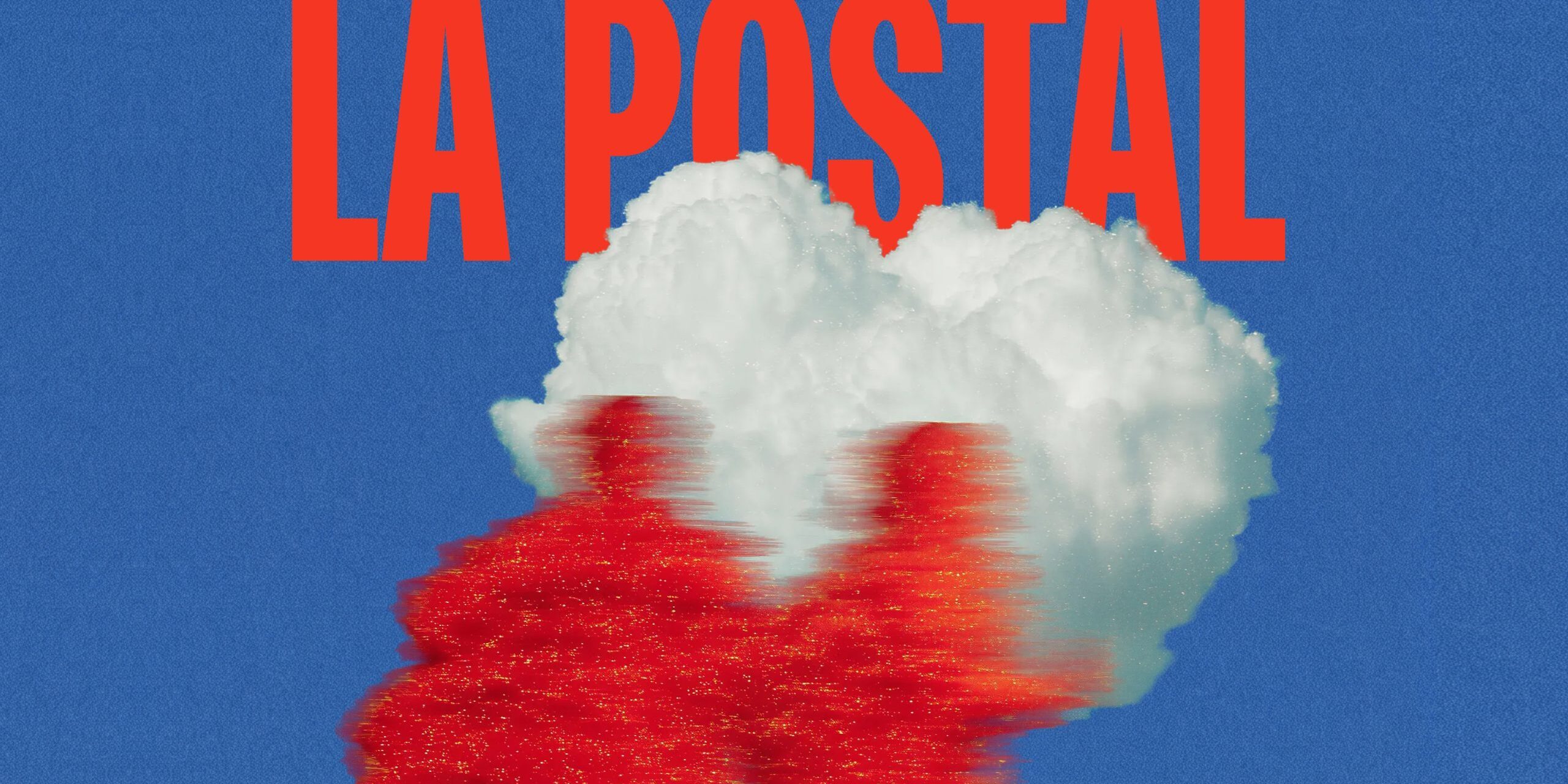
Album Review – “La Postal” by Daddy Yankee
Written by: