II. Aren’t There Ethical Ways of Consuming Animal Products?
Betrayal of the greatest form
Life defiled beyond our gaze
A culture of gluttonous hypocrisy
A ritual feast of mankind’s heresyxRepentancex — “In Violation of Aša” (2013)
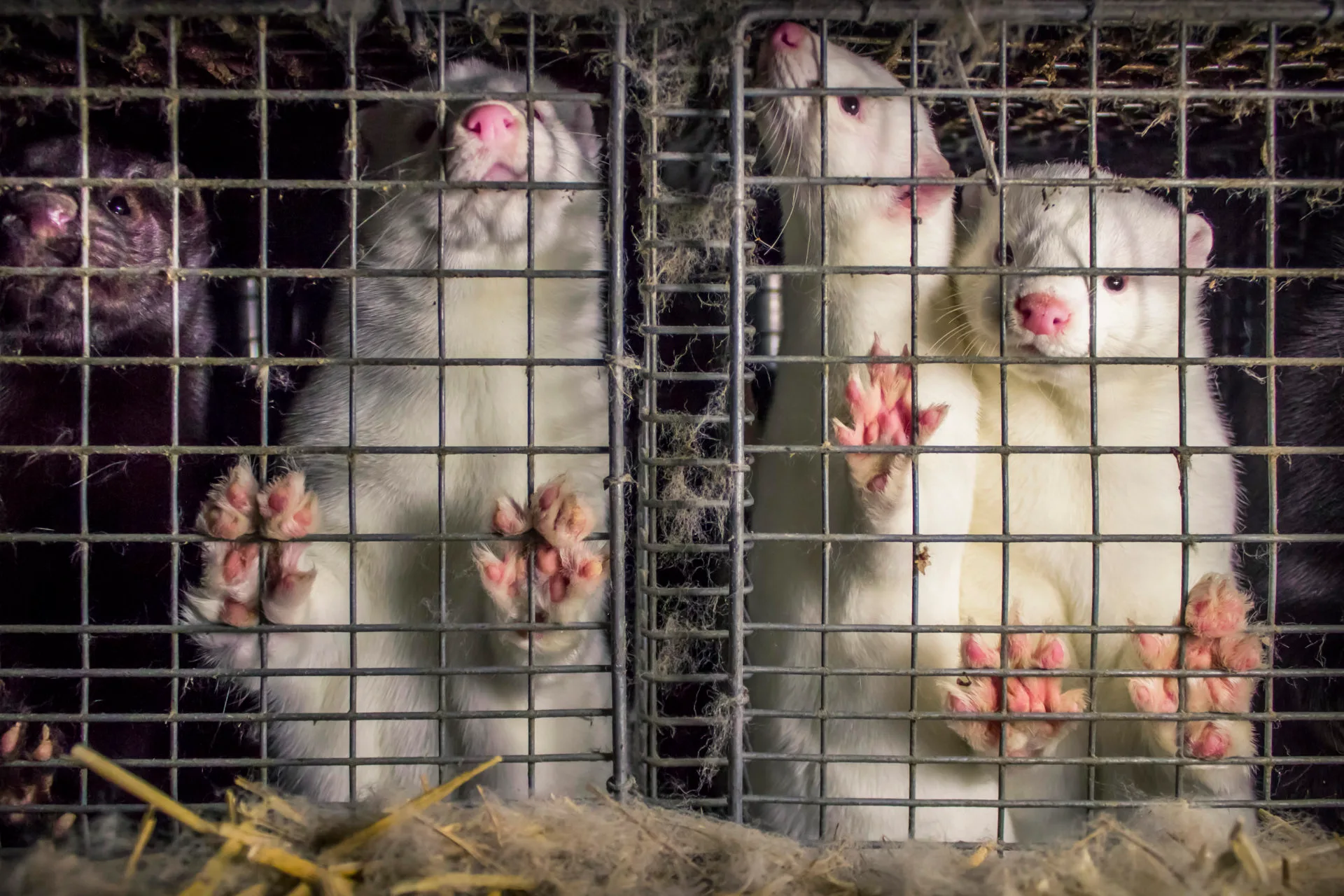
I’ll start by saying that I don’t think that there are any ethical ways of consuming animal products at all. The entire idea is faulty because I don’t think animals should be positioned only in relation to their perceived utility to humans. I’m at a point where the idea of consuming animal products at all grosses me out entirely because every egg or burger or glass of milk has some wounded being behind it, one that is most likely dead by the time their severed parts are at the grocery aisle.
Cows are the best example for this. They have so much perceived utility for humans, probably most of all from milk. Cows have to be pregnant to lactate. At the rate that human society consumes milk, there has to be a lot of cows that are constantly and forcibly kept pregnant to produce milk. Keep in mind that this is always for human consumption; male calves that are born from this process are typically killed for veal, with female calves brought into the cycle to be milked like their mothers. Calves are always separated from their mothers, which causes them considerable distress. Once these cows aren’t producing milk at “optimal” levels (which I’ll remind you is a lot at how many people drink milk), they are slaughtered for our consumption.
You can look up any variety of animal such as chickens or pigs and see how similar the processes are. The animal product industries certainly have these processes down to a science, given how much they need to produce meat and milk and eggs in quick succession and at a profit. We subsidize these industries with our consumption. Little labels like “cage-free eggs” or “grass-fed cows” on milk are missing the forest for the trees, because just as there isn’t a “moral” method to the death penalty, there is no “moral” method to extracting animal products. And just like the death penalty, it’s impossible to separate these tiniest of concessions to the reality that these processes will always result in a death.
There are no “just” ways for a life to be exploited or taken. Even if there were, it will always be preferable for it to not be done at all. Unnecessary killing is especially unjust, and what is animal agriculture if not unnecessary? All necessary components to a healthy diet are found in supplements and produce such as soybeans and mushrooms. Most grocery stores offer up (rather limited) selections of vegan substitutes in all sorts of forms from soy/oat/almond/cashew/coconut milk to tofu and seitan meat. We have long progressed past the point of needing to milk and kill a cow (or two or three) to make a hamburger.
Maybe this is just generalizing of how we treat animals. Nonvegans keep on bringing up examples of home-raised chickens that naturally produce eggs and how much of a shame it would be to not use it. I don’t think this pseudo-utiliarian mindset is very consistent. Even if you don’t agree with me that the eggs are not ours to consume in the first place, people who make these arguments tend to not apply the principle across other sectors of their life. Dead pigeons or roadkill are just as viable for human sustenance under this logic. After all, it’s already there. The difference is that it’s culturally normative and acceptable to consume chickens and eggs and not a dead deer on the side of the road. This is completely arbitrary, and veganism is against this as a moral principle.
If you are a freegan who will consume any leftover animal products, good for you. It’s still against the principles of veganism. Being a freegan is definitionally a reaction to, rather than opposition against, animal exploitation and factory farming. It will always fail as an alternative to veganism because animal product industries won’t care in the slightest if you steal some steaks from a Fry’s Dumpster. Neither freeganism nor personally raising chickens are a viable template for eight billion people to live. Unless a freegan can make the argument otherwise, this just seems like some special exception to continue justify eating meat.
I think this take obscures the reality of how most people globally consume meat and other animal products. Meat consumption is rising more than ever, and at the rate humanity is growing, it is simply impossible for humans to eat this much meat without industrialized farming. These industries are also the second behind climate change, be it greenhouse gas emissions, freshwater usage or land exploitation. Think of it as a vicious cycle; the more we consume, the more we grow. The more we grow, the more we take from the earth. Very soon, the cycle will fold in on itself, and it will be catastrophic for untold billions of people. Make any exceptions you want, it plays into the same cycle. I don’t want to be a part of it.